

Unexpected connections: linking generations through James Barnor’s photography
Today marks his 97th birthday.

This article was originally written to mark James Barnor’s 95th birthday for a book anthology that didn’t end up happening. Today marks his 97th birthday and I wanted to celebrate his milestones and talk about some of the unexpected parallels that exist between us.
There are three things I have in common with Uncle James Barnor. The first is that we are both Geminis. Our birthdays are about a week apart. The second is we’ve both rock climbed. Uncle James rock climbed in North Wales in the early 1960s with friends from the Land Rover Group, a group of climbers. Meanwhile, my first outdoor experience of this extreme sport was at Shai Hills in Ghana’s Eastern Region in 2018. But the third thing we have in common left me the most gobsmacked and, to this day, I still can’t believe that we both knew the same man - the first indigenous African Hindu Swami.
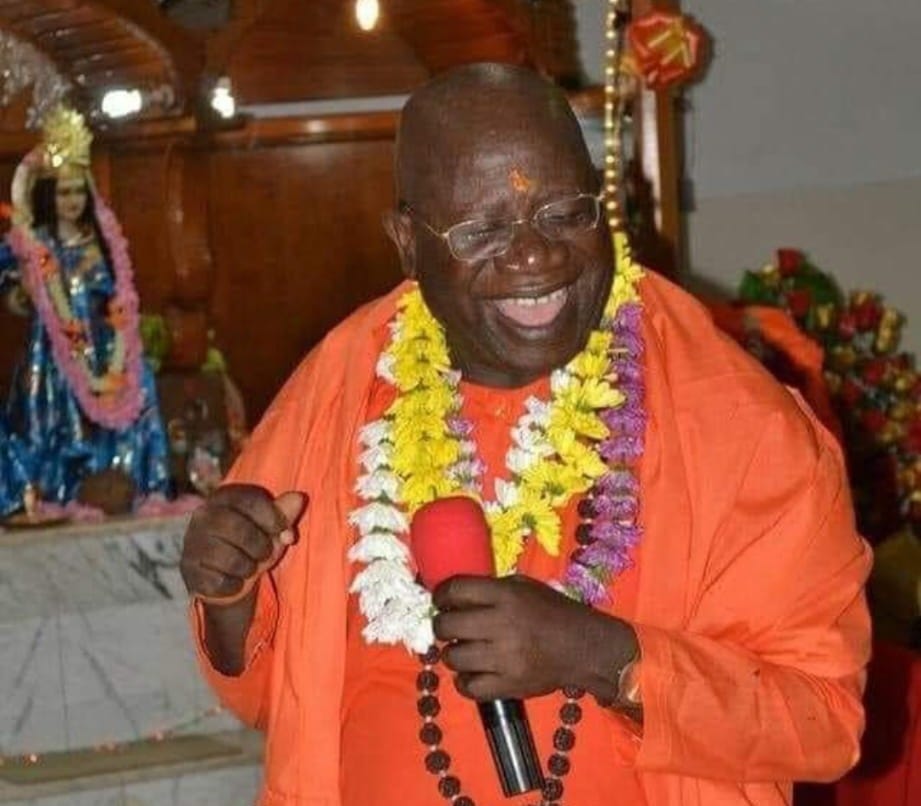
Swami Ghanananada
Uncle James knew him as Bra Kwesi (Essel) before he was a monk, and I knew him as H.H Swami Ghanananada Saraswati in the late 1990s. Swami Ghanananda became the head of the Hindu Monastery of Africa in Odorkor, Accra, and established several other Hindu temples across Ghana.
The reason I share this with you is because I never expected to have anything in common with an iconic, award-winning photographer with a legacy of over 70 years of image-making in portrait photography and photojournalism. And it wasn’t until I met him in 2021, after visiting a London exhibition of his work, that I realised these striking parallels between us.
Icons and everyday people
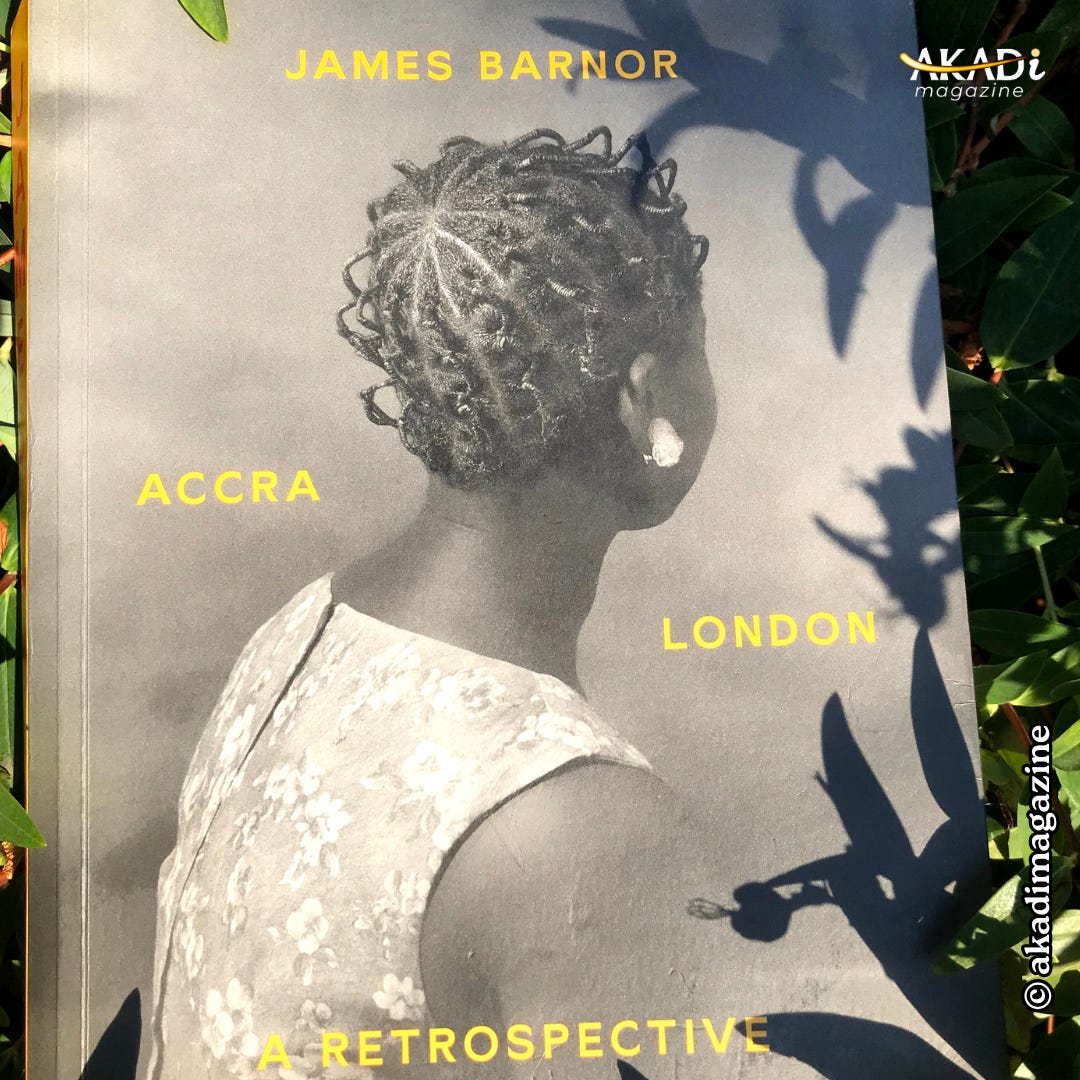
Prior to meeting Uncle James, I had made two visits to his acclaimed exhibition, ‘James Barnor: Accra/London – A Retrospective’ at the Serpentine Gallery in London in 2021. I was immediately struck by how he was able to capture such beauty and joy in his pictures of iconic public figures and everyday people.
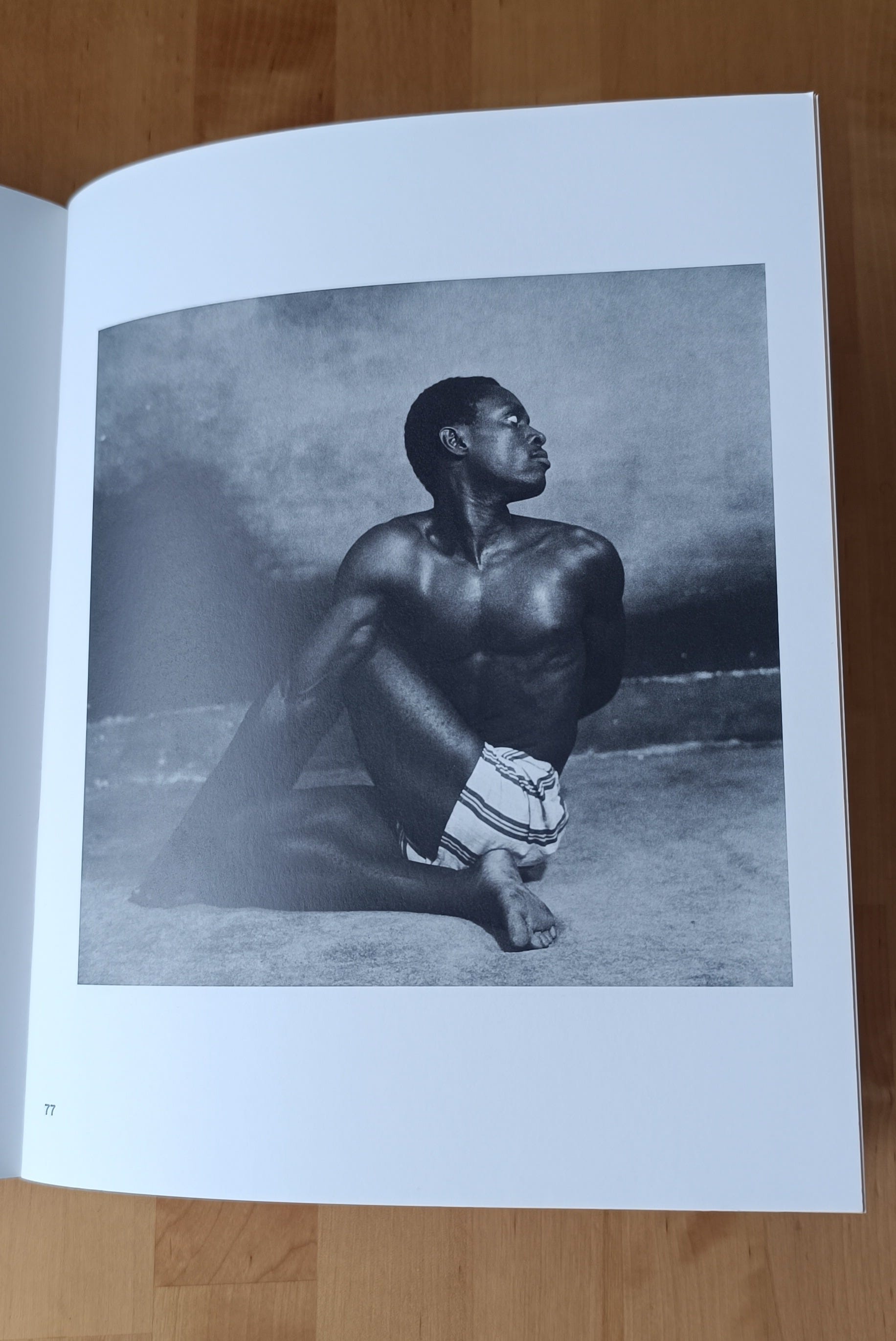
There was one image, in particular, that caught my attention. It was of a Ghanaian man captured in a half spinal twist pose, his muscles flexed, his chest facing towards the camera, and his head turned away from the lens. I remember thinking, ‘How often do you see such a striking image of an African man in a yoga pose, let alone one taken almost 70 years ago?’
According to James Barnor’s archival records, the image was taken around 1955 in Jamestown and what I liked about it was how Uncle James managed to capture a sense of strength and vulnerability in this single camera shot.
Hinduism in Ghana
I later discovered from Uncle James that there was a community of people in Ghana who learnt yoga in Accra and that the sitter was, in fact, one of his relatives. Peter Dodoo was the son of Uncle James’ cousin, J.P.D Dodoo, one of three prominent photographers who taught Uncle James the foundations of photography when he was starting out in his career. Peter also had a connection to Bra Kwesi/ Swami Ghanananda through his yoga teacher called Mr Strong.
“He [Mr Strong] started long ago with all these exercises and he even had his own ashram before Bra Kwesi,” Uncle James told me during one of my visits to his home. “And one time, the Indian High Commissioner went to see him and I took some pictures. Another time, he went to see Bra Kwesi and I took photographs with them.”
These pictures were taken during the early 1970s, around the same time that my maternal relatives in Ghana first met Swami Ghanananda and started their conversion to Hinduism.
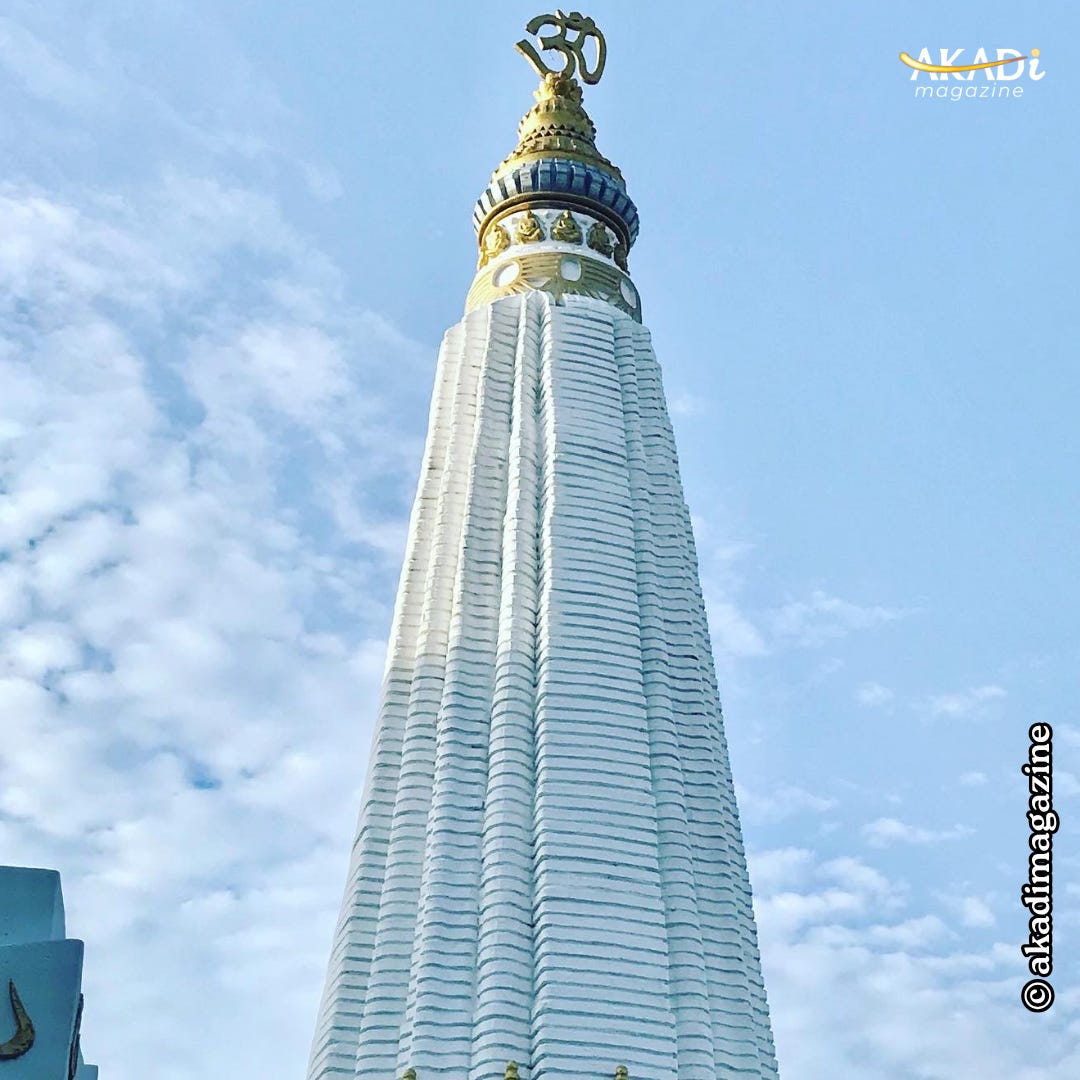
So, when Uncle James told me he had archived images of the ashram and Swami Ghanananda, who passed away in 2016, I almost fell off my seat. The ashram in Odorkor is a place I often visited during my trips to Ghana and some of my family still worship there – what a beautiful coincidence! Uncle James has a digital archive of over 35,000 images. Only a fraction feature the Ashram, but there’s one that set off a wave of emotions in the pit of my stomach when I saw it.
Sandals in the Ashram
To the average person, seeing sandals gathered in an area of an ashram is probably nothing special. But this image was taken more than 50 years ago and still evokes familiar memories of Sunday worship at the temple where we would take our sandals off, wash our feet and hands, and start our prayers. In one of Uncle James’ photos, Swami Ghanananda is seated in the temple next to his teacher Swami Krishnananda, who I met as a child.
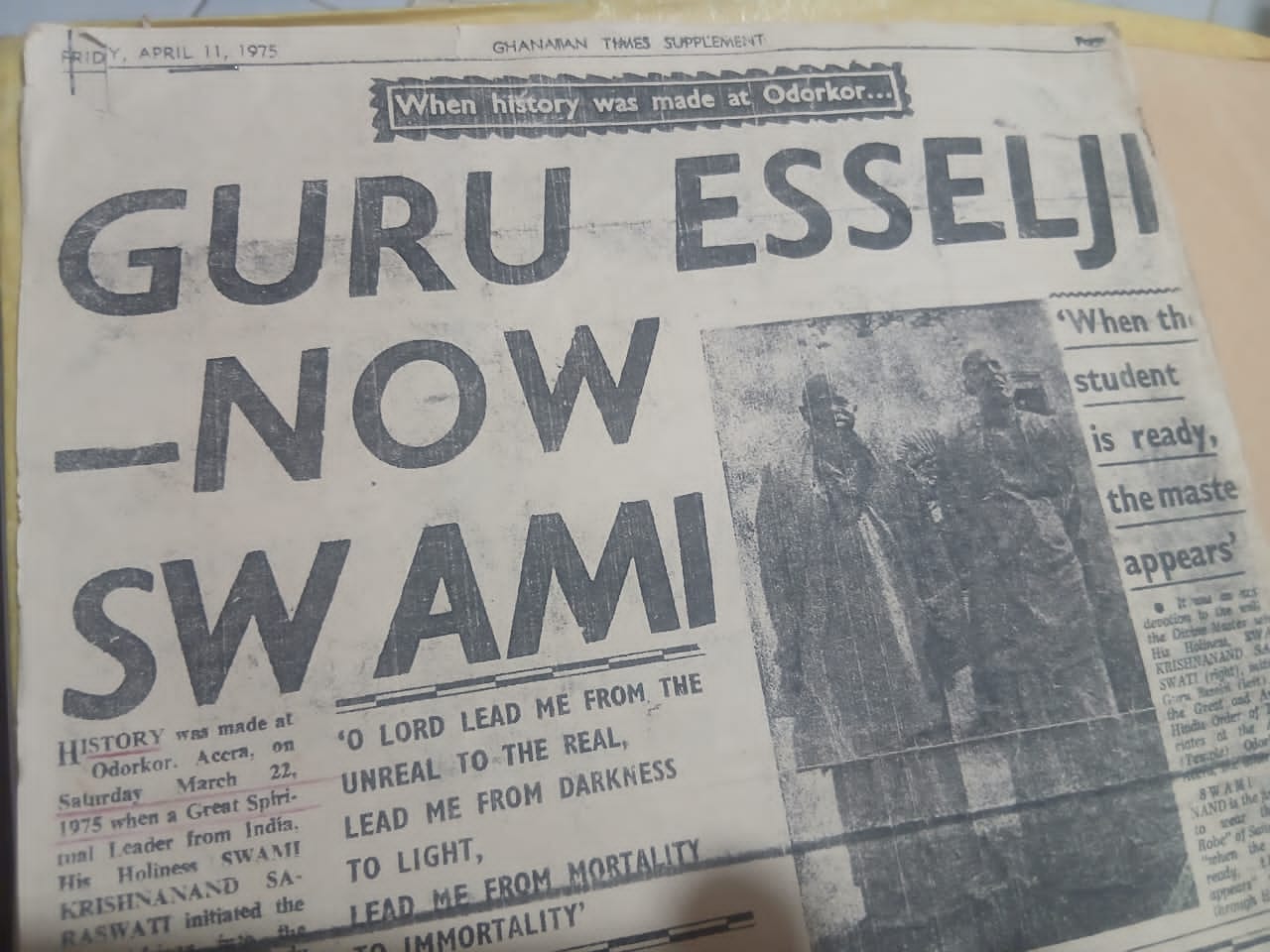
That image brought back fond memories of Swami Ghanananda singing, occasionally dancing, and encouraging us to meditate and learn. For me, that is the beauty that Uncle James’ work evokes. His pictures capture memories, some so vivid, they take you right back to that special place in your life.
A family photo album
His images provide us with a snapshot into Ghana’s past, preserving aspects of our cultures, fashion, hairstyles, and music, as well as glimpses into pivotal moments in our political history. His work captures an energy, vibrancy and intimacy that often makes me want to dive into the image and connect viscerally with the past.
What has been so valuable and heartening for me to witness is that Uncle James’ work allows that portal to remain open. He is always keen for those he has photographed to see their pictures and it was nice for me to see.
Preserving our history
During my tour of the Serpentine Gallery exhibition (I eventually visited three times), how excited people were to discover familiar faces and relatives preserved as they were in their heyday (I have a friend who told me her aunt was one of the sitters who had their image showcased at the exhibition). Uncle James’ work means that these people cease to be strangers or figures of the past. Instead, their connection to contemporary Ghana lives on through us.
I remember feeling an immense sense of pride walking into the Serpentine and seeing images of not just Black people, but Ghanaian people that looked familiar to me. These pictures - the people, the clothes and poses - resembled pictures I had seen in my parents and grandparents’ family albums. Walking through the exhibition felt like I was stepping into a giant family photo album!
It is said that a picture paints a thousand words and, while I would agree, I would add that being able to speak to the creator of that picture adds a million more words, memories, and emotions to what we see. I feel lucky that through the many conversations I’ve had with Uncle James – a man with a phenomenal photographic (pun intended) memory at age 97 - I’ve been able to connect the dots about people and places in Ghana and learn more about my Ghanaian history and culture, which a mere caption next to a photo could not begin to provide.
It’s just a shame that I didn’t know of Uncle James’ connection to Swamiji much earlier - before he passed…I would have loved to ask him questions about their interaction.
In much the same way that Swamiji was a pioneer - becoming the first African Hindu monk. So was Uncle James. He was the first person to bring colour printing to Ghana in 1970. His knowledge, attention to detail and desire to archive snapshots from the lives of everyday people has left us all with a valuable legacy that I am proud the world now gets to see.
Many happy returns, Uncle James.
Check out our coverage of James Barnor and his work:
James Barnor’s photographic legacy
ARCHIVING LIFE IN PICTURES with veteran photographer James Barnor